

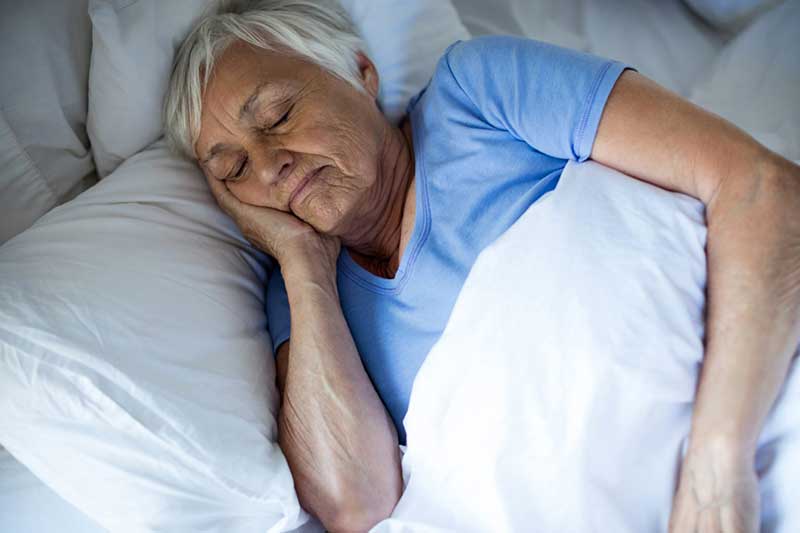
A comprehensive guide to common sleep issues and practical steps for a better night’s rest.
Sleep disorders are conditions that disrupt your normal sleep patterns. When left unaddressed, sleep deprivation can take a severe toll on your overall health, emotional wellbeing, and your ability to function safely during the day.
Symptoms vary depending on the severity and type of disorder, but common warning signs include difficulty falling or staying asleep, excessive daytime fatigue, unusual breathing patterns, unintentional changes to your sleep/wake schedule, and a lack of concentration or increased irritability.
Common Types of Sleep Disorders
Sleep conditions are generally grouped by how they affect your natural sleep-wake cycle, breathing, or behavior. Below are some of the most prevalent issues:
Insomnia
The inability to fall or remain asleep. It can be transient (lasting a few nights), intermittent, or chronic (lasting over a month). Causes range from stress and anxiety to digestive problems or jet lag. It is incredibly common, affecting up to half of all adults at some point in their lives, and can lead to depression, weight gain, and impaired focus.
Breathing Disruptions
Obstructive Sleep Apnoea occurs when a narrow or floppy throat repeatedly blocks airflow, waking the sleeper briefly. Sleep Hypoventilation happens when breathing muscles are too weak to take in enough oxygen. Both conditions cause severe daytime tiredness and heavy snoring, but can be treated with weight management or CPAP therapy.
Movement & Discomfort
Restless Legs Syndrome (RLS) is an overwhelming, tingling urge to move the legs, typically worsening in the evening and disrupting sleep. It can sometimes be linked to iron deficiency. Bruxism involves grinding the teeth at night; while often unnoticed by the sleeper, it can cause jaw pain and dental damage requiring mouth guards.
Parasomnias & Narcolepsy
Parasomnias include sleepwalking, sleep talking, night terrors, and REM behavior disorder (where the body fails to relax, causing the sleeper to act out violent dreams). Narcolepsy, affecting about 1 in 2,000 people, involves sudden “sleep attacks” during the day, sudden muscle weakness (cataplexy), and sleep paralysis.
6 Steps to Better Sleep
You aren’t doomed to toss and turn every night. While you cannot always control illnesses or work stress, adopting these healthy sleep habits (often called “sleep hygiene”) can dramatically improve your rest.
-
Stick to a Sleep Schedule
Aim for seven to eight hours of sleep. Go to bed and get up at the exact same time every day, even on weekends, to reinforce your body’s natural sleep-wake cycle. If you can’t fall asleep within 20 minutes, leave the room, do something relaxing, and return only when tired.
-
Watch What You Eat and Drink
Avoid heavy meals within a couple of hours of bedtime. Nicotine and caffeine are stimulants that take hours to wear off, and while alcohol may initially make you drowsy, it severely disrupts deep sleep later in the night.
-
Create a Restful Environment
Keep your bedroom cool, dark, and quiet. Prolonged exposure to light-emitting screens (phones and tablets) before bed suppresses your sleep hormones. Consider room-darkening shades, earplugs, or reading a book to wind down.
-
Limit Daytime Naps
Long or late-afternoon naps steal sleep from your nighttime allowance. If you must nap, limit it to no more than one hour (unless you are preparing for shift work).
-
Include Physical Activity
Regular daily exercise and time spent outdoors in natural sunlight promote better sleep. Just avoid highly strenuous workouts too close to your bedtime.
-
Manage Your Worries
Racing thoughts are the enemy of sleep. Try to resolve concerns before getting into bed. Jotting down a to-do list for tomorrow can help mentally “set aside” your anxiety for the night.
When to Seek Professional Help
Everyone has an occasional sleepless night. However, if you consistently struggle to sleep or wake up feeling exhausted, it’s time to speak to a healthcare provider.
Our pharmacists can review your current medications to see if they are interfering with your rest, or offer advice on sleep apnea support.
02 4868 1293Moss Vale Community Pharmacy | 412 Argyle Street, Moss Vale NSW 2577
Source Information: This educational article was compiled with courtesy from clinical resources provided by the Mayo Clinic, The Sleep Health Foundation Australia, and HealthLine. For specialized medical advice or diagnosis regarding sleep disorders, please consult your general practitioner.