

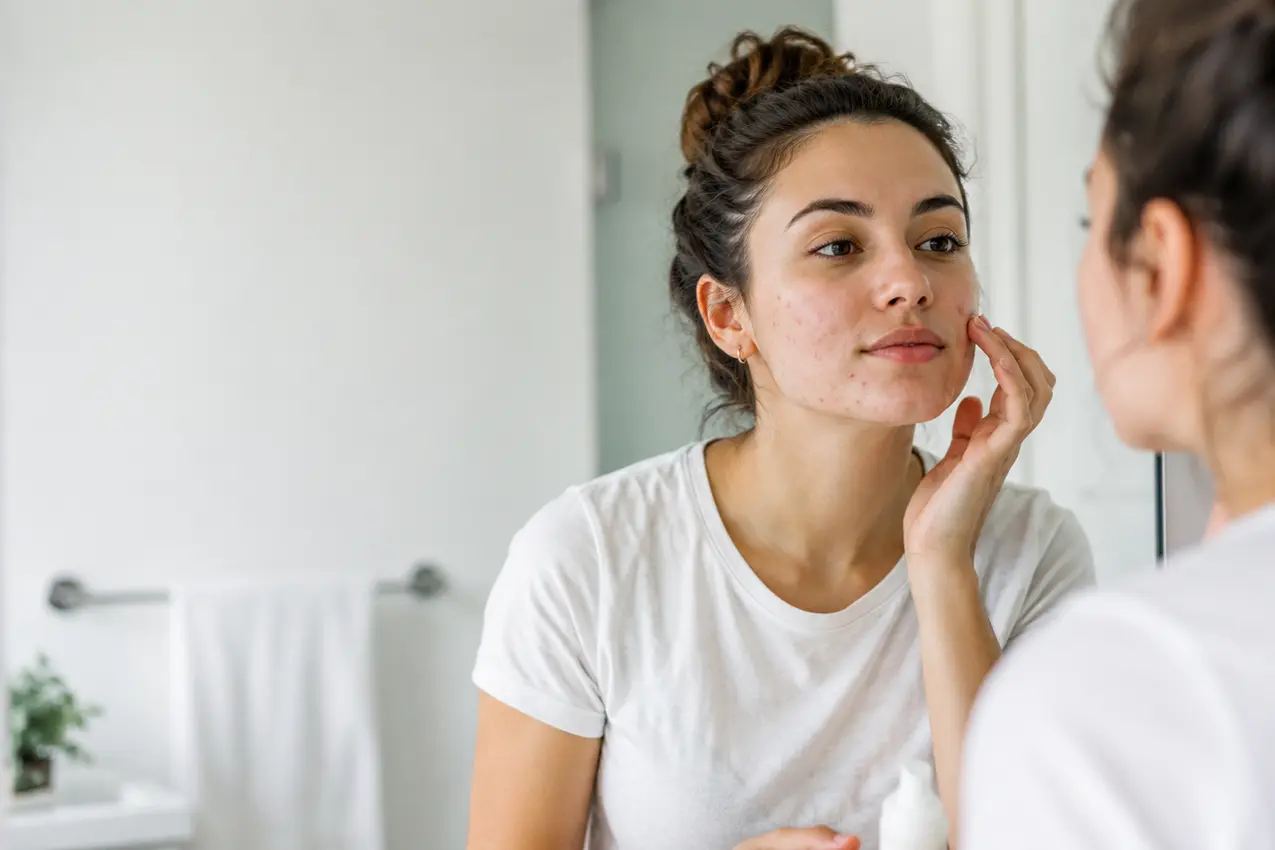
Acne Help is Close!
Your pharmacist can help you build a realistic routine, choose effective treatments and know when to step up care
Acne is often dismissed as a “teenage problem”, yet it’s one of the most common skin conditions in Australia — and it can affect confidence, mood and quality of life well beyond high school. Australian primary care data suggests acne is close to universal in older teenagers, with prevalence figures reported above 90% in people aged 16–18. When acne is untreated or undertreated, it can leave permanent scars — which is why early, practical treatment matters.
The good news is that acne is highly treatable. Most people can get meaningful improvement with a few well-chosen steps: a gentle routine you can stick to, the right active ingredients (used correctly), and a plan for when to escalate care. At Moss Vale Community Pharmacy, our team can help you choose acne-friendly skincare, use treatments safely, and coordinate next steps with your GP or dermatologist when needed.
What Is Acne?
Acne is a common inflammatory condition of the hair follicle and its associated oil (sebaceous) gland. In acne-prone skin, pores become blocked by a build-up of dead skin cells and excess oil, forming comedones (whiteheads and blackheads). Bacteria can multiply inside a blocked pore, and the immune system response produces redness, tenderness and pus-filled pimples. Deeper inflammation can cause nodules or cysts, which carry a higher risk of scarring.
Acne Is Treatable — And Scarring Is Preventable
Scarring risk rises when acne is deep, persistent, or frequently picked and squeezed. If you’re developing painful nodules/cysts, getting marks that linger, or feeling pressured to hide your skin, it’s worth stepping up treatment early rather than “waiting it out”.
Symptoms and Types You Might Notice
Acne can appear on the face, chest, shoulders, neck and back. The main lesion types include:
Comedonal Acne
- Whiteheads — small white bumps under the skin
- Blackheads — blocked pores with a dark plug
- Often looks “bumpy” rather than angry and red
- Common on forehead, nose and chin (T-zone)
Often responds well to: gentle cleansing + topical retinoid/retinoid-like therapy (e.g., adapalene) and/or azelaic acid.
Inflammatory Acne
- Papules & pustules — red, inflamed pimples (sometimes with yellow centre)
- Nodules/cysts — deeper, painful lumps under the skin
- Higher risk of scarring if persistent or severe
- Often needs combination therapy (topical + sometimes oral)
Often responds to: benzoyl peroxide + retinoid/retinoid-like therapy; GP may add oral medicines for moderate–severe acne.
How severity is usually described
Mild
Mostly blackheads/whiteheads with a few small pimples. Often managed with a consistent OTC routine and correct use of actives for 8–12 weeks.
Moderate
More frequent inflamed pimples, wider areas of face/body involved, and/or ongoing breakouts despite OTC care. May need GP-prescribed therapies.
Severe
Painful nodules/cysts, scarring risk, or significant distress. Early GP review is important; referral to a dermatologist may be recommended.
What Causes Acne?
Acne isn’t caused by “dirty skin”. It’s driven by a mix of oil production, pore blockage, bacterial growth and inflammation — plus individual factors such as genetics and hormones. For many teens, acne emerges alongside puberty-related hormonal changes. In adulthood, acne may persist or begin for the first time (often called adult or hormonal acne), and may cluster around the jawline, chin and neck.
Common contributors and triggers can include:
Stress, family history, friction/occlusion (helmets, sports gear, tight clothing, masks), heavy or oily cosmetics/hair products, certain medicines, and (for some people) dietary patterns. Acne is also more common in naturally oilier skin.
Acne in Australian conditions
In Australia, acne routines often fail for very practical reasons: heat and sweating (sport, outdoor work), bushfire smoke and dust, high UV days, and skin stripping from over-cleansing. It’s common to see a cycle of “scrub, sting, peel, break out” — especially in summer, during sports seasons, or when people switch to harsh products hoping for a quick fix.
Two quiet acne triggers: sweat + friction
If you’re breaking out along helmet lines, hat bands, under masks, on shoulders/back, or around sports straps, friction and trapped sweat may be doing more than hormones. A small routine tweak (gentle cleanse after sweating, breathable fabrics, non-comedogenic sunscreen) can make a big difference.
Acne Treatment Basics That Work
The aim is not perfection — it’s control. Most acne treatments take time. A realistic benchmark is noticing improvement at around 6–8 weeks, with clearer results over 12 weeks. Stopping and starting (or mixing too many actives at once) is one of the most common reasons people feel “nothing works”. :contentReference[oaicite:4]{index=4}
1) Build a simple routine first
AM (Morning)
Gentle cleanser → light, non-comedogenic moisturiser if needed → SPF50+ broad-spectrum sunscreen (oil-free/non-comedogenic if you’re acne-prone).
PM (Night)
Gentle cleanser → acne active (start low & slow) → moisturiser to reduce irritation and support the skin barrier.
After sport/sweat
Shower or cleanse soon after sweating; change out of tight gear; avoid heavy occlusive products on the body that may trap sweat.
2) Use proven active ingredients — correctly
In a pharmacy setting, the most common effective options include:
Benzoyl peroxide (antibacterial and anti-inflammatory), azelaic acid (helps pores and redness; often well tolerated), and retinoids/retinoid-like products (help prevent blocked pores and improve texture). Combination therapy is often more effective than relying on just one step — but it must be introduced gradually to avoid irritation.
Start low & slow (to avoid the “irritation trap”)
Many acne actives can cause dryness, redness or peeling in the first weeks. That doesn’t always mean you’re “allergic” — it often means the skin barrier needs a gentler ramp-up. Consider using your active every second or third night at first, and moisturise consistently. Your pharmacist can help you troubleshoot irritation without abandoning treatment too early.
3) Hands off: picking worsens inflammation and marks
Squeezing and picking can push inflammation deeper, increasing the risk of post-inflammatory pigmentation (dark marks) and scarring — particularly with nodules/cysts. If you’re picking because you feel compelled or anxious, that’s also a reason to talk to a health professional.
The Role of Your Pharmacist
Your community pharmacist is often the most accessible first point of care for acne — especially when you want practical guidance without waiting for an appointment. At Moss Vale Community Pharmacy, we can help you build a plan that fits your skin, your schedule and the Australian climate.
Acne-Friendly Skincare Guidance
Help selecting non-comedogenic cleansers, moisturisers and sunscreens, plus proven actives such as benzoyl peroxide and azelaic acid.
“How to Use It” Coaching
Step-by-step routines, sequencing actives, and practical strategies to reduce dryness/irritation so you can stay consistent long enough to see results.
Medication Counselling
Support with prescribed acne medicines (topicals and oral options), side effect advice, interactions, and how to use treatments safely and effectively.
Referral Pathways
Guidance on when to see your GP and when a dermatologist referral is appropriate — especially for scarring risk, severe acne, or significant distress.
MedsCheck (In-Pharmacy Medicine Review)
If you’re on multiple medicines (or have tried several acne treatments), a structured review can help clarify what’s working, what to stop, and what to escalate.
Plan, Review & Adjust
Acne is often a 12-week project. We can help you review progress, adjust products, and prevent the common pitfalls that derail treatment.
When to See Your Doctor (and When to Consider a Dermatologist)
You should speak with your GP if:
Your acne is moderate to severe, you’re developing nodules/cysts, you’re getting scars, your acne is affecting your sleep, mood or confidence, or you’ve used a consistent pharmacy routine for 8–12 weeks with minimal improvement.
Severe acne may require prescription medicines and sometimes dermatologist care. Oral isotretinoin can be highly effective for severe cystic acne but requires careful medical supervision, including strict pregnancy precautions and monitoring for side effects. The Therapeutic Goods Administration (TGA) has highlighted strengthened safety warnings for isotretinoin, including mood-related changes and other adverse effects. :contentReference[oaicite:5]{index=5}
Seek urgent help if you feel unsafe
If acne (or treatment stress) is linked with severe distress, thoughts of self-harm, or you feel you might act on those thoughts, call 000 (emergency) or contact support immediately via Lifeline.
Prevention & Self-Management Tips
These practical steps can reduce flare-ups and help treatments work better:
Everyday habits that help
Be consistent: choose a small routine you can do daily for 8–12 weeks.
Don’t over-wash: twice daily is usually enough; harsh scrubs often worsen acne.
Moisturise: barrier support can improve tolerance to acne actives.
Check hair & makeup products: avoid heavy oils or pore-clogging formulas on acne-prone areas.
Clean “contact” items: phone screens, helmet straps, pillowcases and masks can collect oil/sweat.
Medicine safety reminders
Pregnancy & retinoids: some acne medicines (especially oral retinoids like isotretinoin) can cause severe birth defects. Always discuss pregnancy planning and contraception with your prescriber and pharmacist before starting or continuing these treatments. :contentReference[oaicite:6]{index=6}
Avoid “stacking” strong actives: using multiple retinoids/benzoyl peroxide products at once can trigger irritation. If you’re unsure, ask your pharmacist.
Resources and Support
The following organisations provide trusted, evidence-based information for Australians living with acne.
Australian & Dermatology Resources
Healthdirect Australia — Acne Australian Government health information on symptoms, causes, when to see a doctor, and treatment options. Healthdirect — Acne Treatments Overview of topical and oral treatment options and why combination therapy may be needed. Australasian College of Dermatologists — Acne Vulgaris Dermatologist-written guidance on acne care, routines and treatment options. Australasian College of Dermatologists — Adult Acne Information about acne that persists or starts in adulthood, including when to investigate hormonal contributors. Better Health Channel (Vic Gov) — Acne Causes, treatments, timelines, and when referral to a dermatologist may be needed.Medicines Information (Australia)
NPS MedicineWise — Medicine Finder Look up consumer medicine information (CMI) for acne treatments by active ingredient or brand name. TGA Safety Update — Isotretinoin Australian regulator update on strengthened safety warnings and key risks to discuss with your prescriber.Independent Acne Education
All About Acne (via Healthdirect) Independent, balanced information about acne and treatment options for the general public.Mental Wellbeing Support
Beyond Blue Support and information for anxiety, depression and wellbeing (phone and webchat support available). headspace — Online & Phone Support Mental health support for young people (12–25) via phone and online services. Lifeline — Crisis Support 24/7 crisis support by phone for anyone in Australia.Helplines and Support
Speak With Your Pharmacist About Acne
Bring in your current products (or a photo of them) and we’ll help you build a simple routine, reduce irritation and choose treatments that make sense for your skin and your life.
02 4868 1293Moss Vale Community Pharmacy | 412 Argyle Street, Moss Vale NSW 2577
Medical Disclaimer: The information provided on this page is intended for general health education purposes only. It is not a substitute for professional medical advice, diagnosis or treatment. Always consult your doctor, pharmacist or other qualified health professional with any questions you may have regarding a medical condition or medication. If you are experiencing a medical emergency, call 000 immediately. Information was current at the time of publication and may not reflect the very latest clinical guidelines. External links are provided for informational purposes and do not constitute endorsement by Moss Vale Community Pharmacy.